
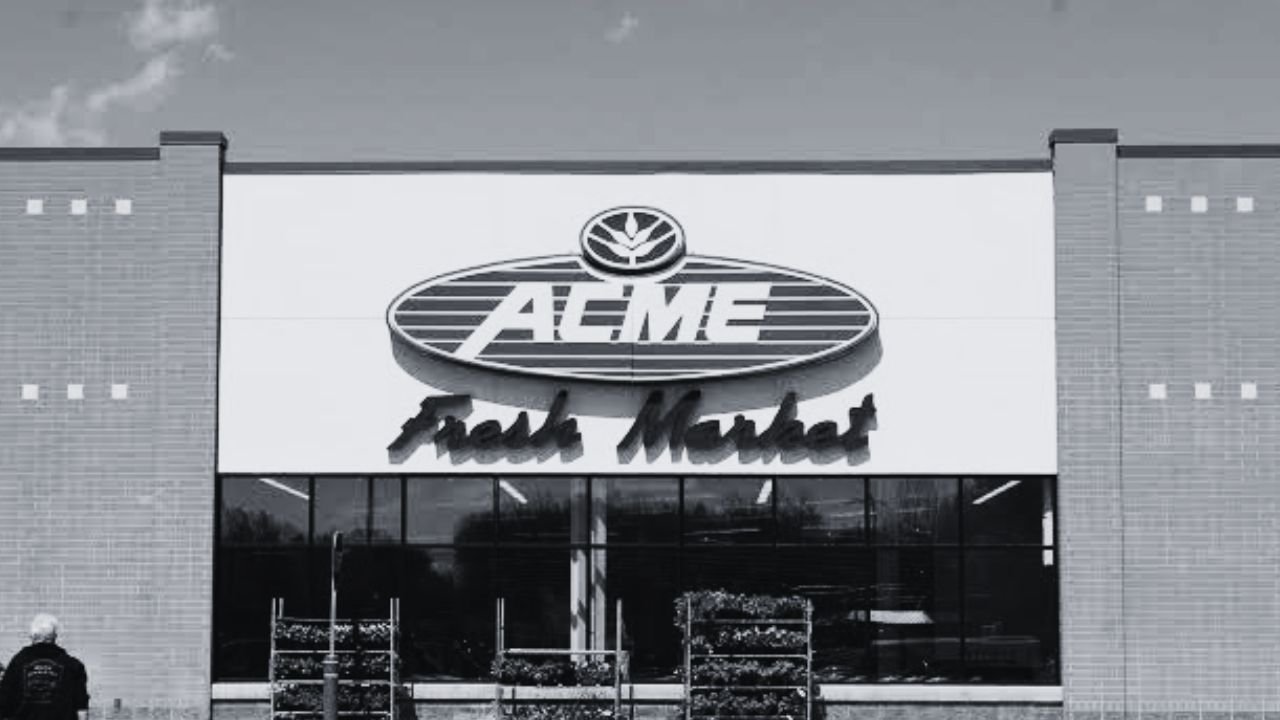
News of Acme store closures and layoffs has been circulating widely, and it is easy to understand why people are concerned. Shoppers who rely on their local Acme want answers, and employees want to know their jobs are secure. But the situation is more nuanced than most headlines suggest — and in many cases, the alarm is not fully warranted.
This article breaks down which Acme companies are actually involved, what is happening with specific store closures, why those locations are closing, and how you can find reliable information about your own local store.
“Acme” Is Not One Company — And That Confusion Matters
A major source of public confusion is this: multiple unrelated businesses operate under the Acme name. When one makes news, people assume all of them are affected. That is not the case.
Here are the three most commonly referenced Acme businesses:
- Acme Markets is a Mid-Atlantic supermarket chain owned by Albertsons. It operates roughly 117 stores across Pennsylvania, New Jersey, Delaware, and Maryland, with a workforce of approximately 14,000 employees.
- Acme Fresh Market is a completely separate, independent grocery chain based in Akron, Ohio. Founded in 1891 as the Fred W. Albrecht Grocery Company, it operates 15 locations across Northeast Ohio under the Acme Fresh Market name.
- Acme Smoked Fish is a Brooklyn-based seafood producer with both wholesale and retail operations. It recently exited its direct-to-consumer e-commerce business — a strategic decision, not a sign that the company is shutting down entirely.
These three companies are not affiliated. News about one does not reflect what is happening at the others. Keeping this distinction in mind is essential before drawing any conclusions.
Which Acme Stores Are Actually Closing — and Why
There have been real closures, and it is worth being specific about them.
Acme Markets Closures
The Acme Markets location at 481 River Road in Edgewater, New Jersey, is scheduled to close on or about August 15, 2026. The reason is straightforward: the store lost its lease. Approximately 115 employees will be laid off or relocated to other locations. This closure was reported by NorthJersey.com, NJBIZ, and NJ.com, and is supported by state worker notification filings.
In a separate round of closures, Acme Markets shut down five stores in the Philadelphia and South Jersey area, as reported by CBS Philadelphia. These were targeted decisions, not part of a chain-wide shutdown.
The Acme Markets location in Manasquan, New Jersey, also closed after operating for more than 50 years. According to reporting from the Asbury Park Press, the company chose not to renew its lease, and the landlord confirmed that the decision came from Acme’s side.
Acme Fresh Market Closures
Acme Fresh Market, the Ohio-based chain, also closed individual stores. The Stow, Ohio location closed permanently, with the company directing customers to transfer pharmacy prescriptions to another Acme Fresh Market nearby. The Parma, Ohio store closed on December 1 due to what WKYC described as financial struggles.
Again, these are store-level decisions for a separate company. Acme Fresh Market continues to operate other locations across Northeast Ohio.
The Business Reasons Behind Individual Store Closures
Understanding why specific stores close helps put the news in proper context. Grocery chains do not close stores randomly — there are clear business drivers behind each decision.
Lease Expiration
This is the most common reason a store closes even when a chain is otherwise healthy. When a lease ends and either the landlord does not renew or the terms are no longer acceptable, the company must relocate or close. Both the Edgewater and Manasquan Acme Markets closures fall into this category. The store itself may have been performing fine — the real-estate situation simply changed.
Underperforming Locations
Retailers regularly evaluate profitability at the individual store level. A location that consistently falls short of financial targets becomes a drag on the overall business. The Parma, Ohio closure of Acme Fresh Market reflects this kind of pressure. Closing an underperforming store is not a sign of failure — it is standard business management.
Competitive Pressure
The presence of competitors nearby can reduce customer volume enough to affect a store’s viability. Reporting from The Sun noted that a Trader Joe’s is located near the closing Edgewater Acme Markets. In dense retail environments, proximity to specialty grocers can shift shopping patterns significantly.
Grocery chains across the industry routinely close individual locations while continuing to invest in higher-performing stores. Selective closures are a normal part of portfolio management — not an automatic signal of broader financial collapse.
The Kroger–Albertsons Merger and What It Means for Acme Markets
Many people connect the proposed Kroger–Albertsons merger to concerns about Acme’s future. This is worth addressing directly.
Acme Markets is owned by Albertsons, which was the subject of a proposed merger with Kroger. Some shoppers and community members worried that the merger would result in Acme stores being sold off, rebranded, or shut down. Those concerns were reasonable to raise — merger-related divestitures are common in retail consolidation.
However, a federal judge blocked the merger. As a result, Acme Markets continues to operate under Albertsons as it did before any merger discussions began. Community discussions, including a clarifying exchange in a Sussex Borough, New Jersey Facebook group, confirm that at least some location-specific closure rumors were tied to merger fears that turned out to be unfounded. The Sussex Acme, for example, is not closing.
Speculation that Acme would disappear or be absorbed as a result of the merger is not accurate under current circumstances. The situation could change if a new merger attempt emerges, but as of now, there is no confirmed plan to dismantle or eliminate the Acme Markets brand.
What About Acme Smoked Fish?
This one deserves a brief mention because the headline — “Acme exiting e-commerce” — sounds alarming if you do not know the details. Acme Smoked Fish, the Brooklyn-based seafood company, announced it would shut down its direct-to-consumer online sales operation. This is a strategic channel decision, not a full company closure. The wholesale and retail side of the business continues. Misreading this news as “Acme is shutting down” is an easy mistake, but it is not accurate.
How to Check Whether Your Local Acme Is Closing
If you are concerned about a specific location, here are practical steps to get reliable information rather than relying on social media speculation:
- Check local news sources. Regional outlets like NorthJersey.com, the Asbury Park Press, and the Akron Beacon Journal have covered individual closures with specific details including dates and causes.
- Look for state WARN Act filings. In the United States, employers are required to file advance notice with state labor authorities before large layoffs. These filings are public and were cited in coverage of the Edgewater, NJ closure.
- Visit the store directly. For lease-related closures especially, signage or staff announcements often precede formal press coverage.
- Check the company’s official communications. Albertsons, the parent of Acme Markets, does issue statements when locations close. Corporate press releases are a more reliable source than rumors in community forums.
For broader business context and analysis of how retail chains manage these kinds of decisions, resources like Build Business Daily cover industry trends in a clear, accessible way.
The Bigger Picture
The grocery industry has faced sustained pressure from multiple directions — rising costs, shifting consumer habits, and intense competition from discounters and specialty grocers alike. In that environment, every major chain makes difficult decisions about which locations to keep and which to close.
Acme Markets, with roughly 117 stores and 14,000 employees, is a sizeable regional chain. The closures reported — Edgewater, Manasquan, and a handful of others — represent a small fraction of its overall footprint. That does not diminish the impact on affected communities and workers, but it does provide important scale. A chain losing a few stores to lease changes and competitive pressures is not the same as a chain going out of business.
Acme Fresh Market, operating independently in Ohio, is managing its own store-level challenges. Closing two locations while maintaining thirteen others is consistent with normal regional grocery operations, not a sign of imminent failure.
The short answer to “Is Acme going out of business?” is no — not entirely, and not imminently. Specific stores have closed, and others may close in the future. But the broader Acme brands remain operational, and the closures to date reflect targeted business decisions rather than a chain-wide collapse. If your local store matters to you, the best move is to watch local news and official sources closely — not to rely on secondhand rumors or headlines that do not distinguish between three very different companies sharing the same name.
Also Read: