
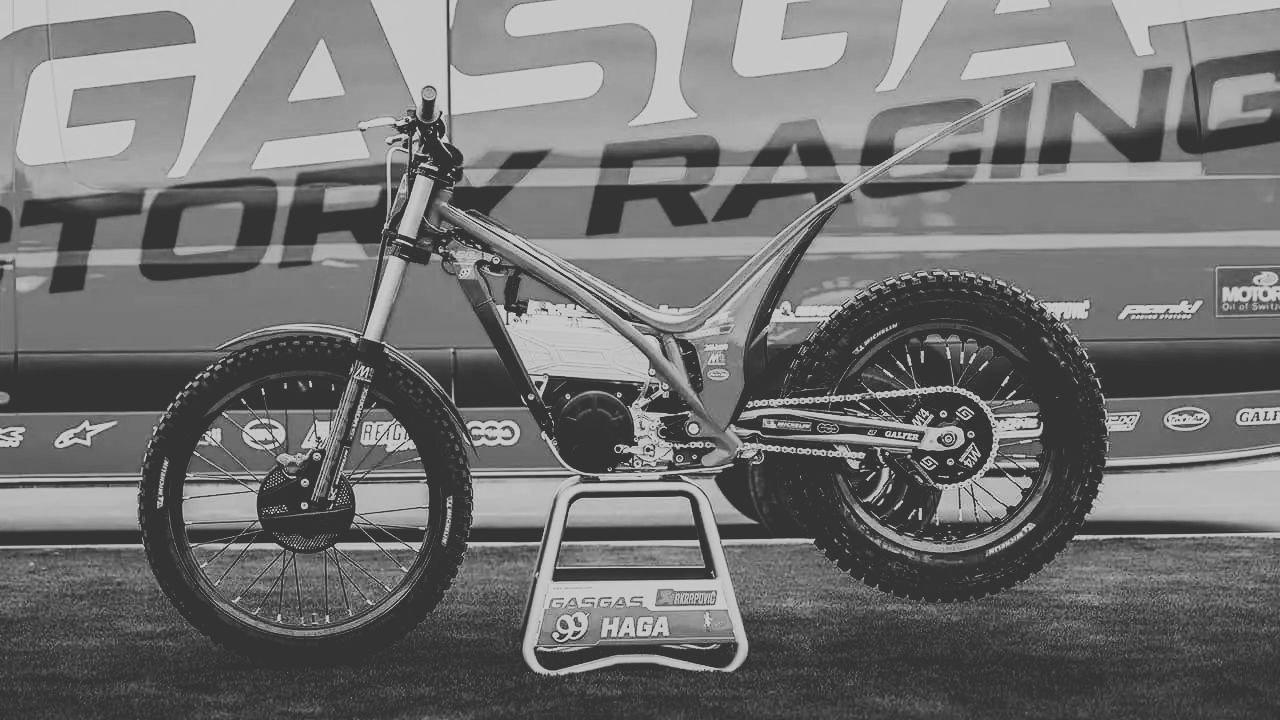
Recent headlines about factory closures in Spain, a withdrawal from factory trials racing, and e-bike pullbacks across Europe have left GasGas customers, dealers, and fans asking the same question—is the brand finished?
The short answer is no. But the full picture is more complicated than that. This article separates the brand’s real history of bankruptcy from today’s corporate restructuring, explains what the factory closure and racing withdrawal actually mean, and addresses what current GasGas owners and buyers should expect going forward.
GasGas Has Gone Bankrupt Before—But That’s Not What’s Happening Now
This question keeps coming up partly because GasGas did, in fact, go bankrupt—just not recently. The original company, Gas Gas Motos S.A., was founded in 1985 in Catalonia and built a strong reputation in trials and off-road motorcycles. By around 2015, after repeated restructuring attempts failed, it entered liquidation following creditors’ proceedings.
The company was put up for sale, eventually acquired, and folded into KTM AG—which is itself owned by Bajaj Auto of India through Pierer Mobility. That acquisition created a completely new chapter for the brand. Today’s GasGas is not the same independent Spanish company that collapsed.
The problem is that those old bankruptcy headlines from 2015 still circulate online. When someone searches “Is GasGas going out of business?” they often land on decade-old articles about a company that no longer legally exists in its original form. That contributes to ongoing confusion about what the brand actually is today and who owns it.
To be clear on the ownership chain: GasGas → KTM AG → Pierer Mobility → Bajaj Auto. It is part of one of the world’s larger powersports groups, not an independent Spanish SME fighting to survive.
What the Spanish Factory Closure Actually Means
This is the piece of news most likely to spark the “going out of business” reaction—and it’s also the most misread.
KTM has decided to stop manufacturing GasGas motorcycles at its facility in Terrassa/Girona, Catalonia, and move all production to KTM’s main factory in Mattighofen, Austria. According to reporting from RideApart and La Vanguardia, approximately 20 production workers in Spain lost their jobs as a result. Non-production operations may continue locally, but the production line itself is closing.
Pierer Mobility frames this as resource optimization—centralizing production, R&D, and technical management under one roof alongside KTM and Husqvarna. That’s a standard move for a large industrial group trying to cut costs and reduce overlap.
Think of it this way: if a European car brand stops assembling vehicles in its home country but continues selling cars built at the parent group’s larger plant, we wouldn’t call that “going out of business.” The badge survives. The product continues. The address on the factory just changes.
That’s essentially what’s happening with GasGas. The historic Terrassa connection is ending, which carries real symbolic weight for longtime fans of the brand. But the motorcycles will still be built, sold, and supported—just from Austria instead of Catalonia.
What This Means for Owners and Dealers
If you already own a GasGas, parts and warranty support should continue through KTM and Pierer Mobility’s global network. The production shift to Mattighofen doesn’t dissolve your warranty or cut off the parts supply chain.
For dealers, the change likely means fewer locally-produced niche models and possibly more platform-sharing between GasGas, KTM, and Husqvarna. That’s not ideal for enthusiasts who valued GasGas’s independent Spanish engineering identity, but it doesn’t mean dealers go dark or stock disappears overnight.
GasGas Is Pulling Its Factory Team From Trials Racing in 2026
Starting January 2026, GasGas will no longer field a factory team in the World and Spanish Trial Championships. The brand issued a press release confirming it will shift to supporting privateer riders and independent teams rather than funding factory racing directly. Technical collaboration and parts support for independent competitors will continue.
For long-time trials fans, this stings. GasGas built its entire identity around trials. The factory team was more than marketing—it was proof that the brand was still at the cutting edge of the discipline.
From a business standpoint, though, this is a cost-reduction decision that fits neatly into the broader restructuring happening across the Pierer Mobility group. KTM itself has faced significant financial difficulties, and pulling factory trials funding is one of several moves designed to trim expenses across the portfolio.
It’s also worth noting that the MotoGP Tech3 team—previously branded as GasGas—has reportedly shifted toward a second Red Bull KTM identity. That feeds the perception that GasGas is being quietly sidelined as a racing brand. Whether that trend continues or stabilizes depends on decisions Pierer Mobility hasn’t made public yet.
What This Means for Trials Riders
Privateer riders can still compete on GasGas bikes with technical support from the brand. The factory podium presence disappears, but GasGas-branded machinery doesn’t vanish from trials competition. For a serious amateur or club-level rider, this may barely register in practical terms. For elite riders who relied on factory contracts, it’s a different story.
The E-Bike Situation in Europe
Separate from the motorcycle changes, there are also reports that GasGas and Husqvarna e-bikes are being withdrawn from the UK and much of Europe, with remaining stock being heavily discounted. This has added to the general impression that GasGas is retreating across the board.
These regional distribution changes are real, but they should be read as market strategy adjustments, not a global shutdown. A brand exiting a specific product category in specific markets is not the same as going out of business. It may mean the e-bike segment wasn’t profitable enough in those markets to justify continued distribution, or that the parent group is refocusing resources.
If you’re a buyer eyeing discounted GasGas e-MTBs in the UK, the discount is real and likely worthwhile—but understand that long-term parts and warranty support will depend on what Pierer Mobility decides to maintain in your region. That’s worth checking with your dealer before purchasing.
Why This Question Keeps Coming Up
There are at least three separate things happening simultaneously—a factory closure, a trials racing withdrawal, and an e-bike market pullback—and each one alone would generate headlines. Together, they create the impression that a brand is collapsing.
Add in the decade-old bankruptcy articles that still rank on search engines, YouTube commentary declaring GasGas “pretty much a done deal” in America, and the branding changes in MotoGP, and it’s not hard to see why people are confused.
But confusion about a brand is different from that brand actually shutting down. GasGas is being consolidated, streamlined, and absorbed more deeply into the KTM/Pierer/Bajaj structure. That process is disruptive and, for some, disappointing. It is not, however, a liquidation.
For entrepreneurs and business observers, this is a fairly common pattern: a niche brand gets acquired, runs as a semi-independent entity for a while, and then gets pulled closer to the parent as cost pressures increase. The brand name usually survives as a badge, even as its independence shrinks. You can find similar stories at Build Business Daily covering how acquisitions reshape companies over time.
The Bottom Line
GasGas is not going out of business. The brand that exists today is part of a large, well-capitalized industrial group with global distribution and shared engineering resources across three brands.
What is ending is the independent Spanish character of GasGas—production in Catalonia, a factory trials team, and a distinct e-bike presence in European markets. Those are meaningful losses for people who valued what made GasGas different from KTM and Husqvarna.
If you own a GasGas, your parts supply and warranty support should remain intact through the KTM network. If you’re considering buying one, the bikes will continue to be produced in Austria and sold through existing dealer channels. And if you’re a trials fan watching the factory team wind down, privateer support continues—it’s just a quieter, less visible form of racing involvement.
The GasGas that made its name in a small Catalan workshop in 1985 effectively ended years ago when the original company went into liquidation. What carries the name forward today is a corporate brand within a global powersports group. That’s a different thing—but it’s not nothing, and it’s not over.