
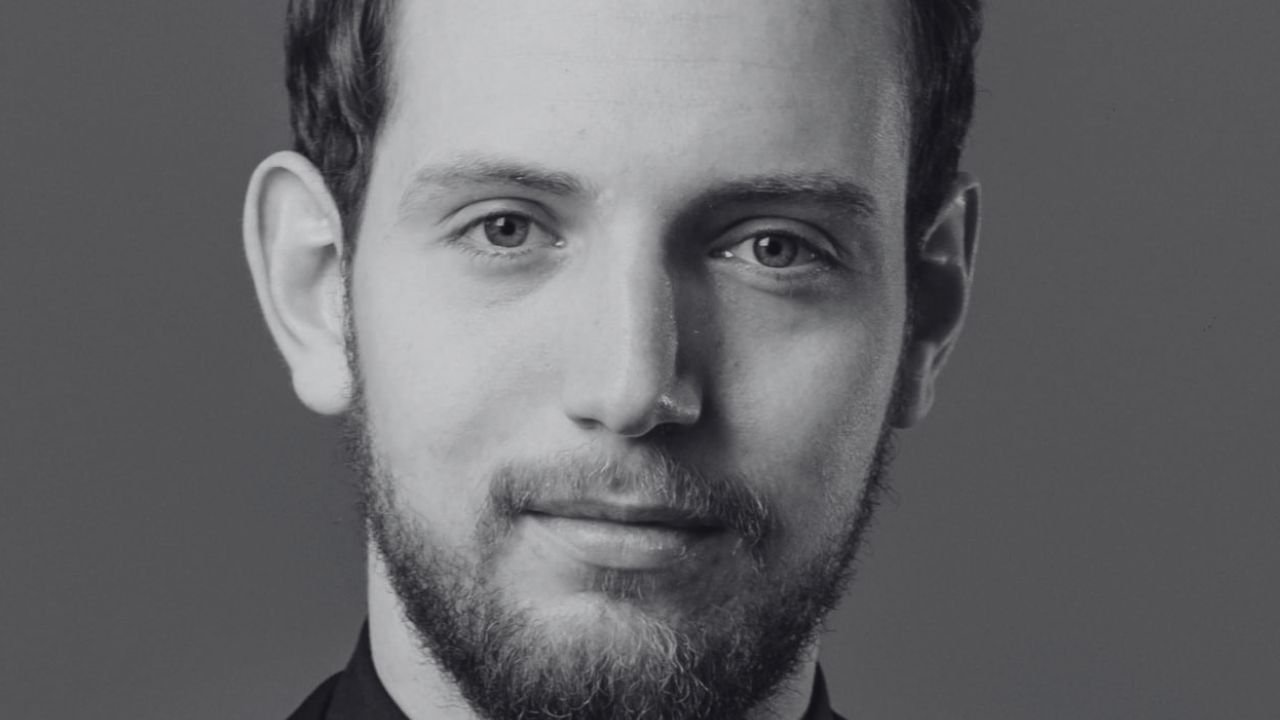
Alexander Fritzl is not a public figure in the usual sense. He has no known celebrity career, no public social media presence, and no record of seeking public attention. Yet his name appears regularly in genealogy databases and biographical searches — because he is directly connected to one of the most widely reported criminal cases in modern Austrian history.
This article covers what is publicly confirmed about Alexander: his family background, the circumstances of his early childhood, how the case became public in 2008, and why reliable information about his adult life is so limited.
Who Alexander Fritzl Is?
Alexander Fritzl is publicly identified as a son of Elisabeth Fritzl. He is also the biological son of Josef Fritzl — a fact confirmed by Austrian authorities through DNA testing during the criminal investigation.
He is not a celebrity in any conventional sense. His name shows up in search results almost entirely because of his family connection to the Fritzl case, which received extensive international media coverage following its discovery in 2008.
It is worth being clear: most of what is reliably confirmed about Alexander relates to his birth, his early childhood, and the 2008 investigation. Information about his adult life is not publicly available in any verified form. Genealogy databases like MyHeritage list his name and some biographical details, but those entries should be treated as a starting point rather than a confirmed authority.
Alexander’s Birth and His Twin Brother Michael
Alexander was born in April 1996, according to widely reported coverage of the Fritzl case. Some sources, including a MyHeritage database entry, list a more specific date of May 28, 1996 — but this does not align with other published accounts. Given the conflicting information, April 1996 is the most cautious way to describe his birth period.
He was born as one of twins. His twin brother, Michael, died shortly after birth. The circumstances surrounding Michael’s death became part of the criminal investigation into Josef Fritzl, though detailed descriptions of those circumstances are not necessary to repeat here.
The twin birth and Michael’s death are confirmed through reporting by outlets including Wikipedia’s consolidated case chronology and The Independent’s coverage of the Fritzl family. These sources are consistent on the key facts, even where specific dates differ slightly.
Early Life — the Cellar and the Upstairs Household
To understand Alexander’s early life, some background on the broader case is necessary.
Elisabeth Fritzl was held in a concealed cellar beneath the family home in Amstetten, Austria, for 24 years. Several of her children were born in that cellar and grew up there with her, never seeing the outside world.
However, not all of the children remained in the cellar. Three of Elisabeth’s children — Alexander, along with Lisa and Monika — were taken from the cellar as infants and brought upstairs into the main household.
Josef Fritzl presented these children to his wife Rosemarie and to the outside world as babies who had been abandoned by Elisabeth. He constructed a false explanation: that his daughter had left the children on the doorstep and he and Rosemarie were raising them as their own grandchildren.
Alexander spent his earliest months in the cellar before being moved upstairs. He then grew up within the Fritzl household, under that false explanation, unaware of the full reality of his family situation.
This upstairs/cellar division is confirmed by multiple sources, including The Independent and Crime+Investigation UK, which both identify Alexander as one of the three children raised in the main household.
The Family Relationship — Mother, Biological Father, and DNA Confirmation
The family relationships in this case are complex, and it matters to state them clearly and factually.
Elisabeth Fritzl is Alexander’s mother. Josef Fritzl is both Elisabeth’s father and — confirmed through DNA testing — the biological father of Elisabeth’s children, including Alexander.
Within the fiction that Josef constructed, Alexander and the two other upstairs children were presented as Elisabeth’s abandoned children being raised by Josef and Rosemarie as grandchildren. To the outside world, and to Rosemarie herself, that was the story.
The DNA confirmation was established through the official criminal investigation, not through tabloid speculation. Austrian authorities conducted testing as part of the case against Josef Fritzl. This is reported by ABC7/AP archive coverage of the case and confirmed in multiple established news sources.
It is also important to say clearly: Alexander did not participate in or have any understanding of Josef Fritzl’s crimes. He was a child raised in a household built on deliberate deception.
How the Case Became Public in 2008?
The case came to light in April 2008. One of Elisabeth’s daughters, Kerstin, fell seriously ill. Elisabeth asked Josef to allow Kerstin to receive hospital treatment. Kerstin was brought to a local hospital in a critical condition, and medical staff there grew concerned about the circumstances.
Austrian police launched an investigation. Josef Fritzl was arrested, and the concealed cellar was discovered. Elisabeth and the surviving cellar children were found and brought out of the underground space where they had lived for years.
The case attracted immediate and massive international media coverage. It revealed that an entire hidden family had existed beneath the same house where Josef and Rosemarie lived with the upstairs children, including Alexander.
Josef Fritzl was tried and convicted in 2009. He received a life sentence for his crimes, which included imprisonment, rape, and — related to the death of another infant — negligent homicide.
After 2008 — What Happened to the Children
Following the discovery, Austrian authorities moved quickly to protect the surviving family members. The children from both the cellar and the upstairs household were brought together and placed under care. Elisabeth was also given protection and support.
Reporting from the time indicates that the family members were placed in a secure location and largely shielded from press attention. Austrian authorities and child welfare services were reportedly involved in managing their transition into a more normal environment.
Verified reporting from Build Business Daily and similar general knowledge sources often reflects the broader principle that applies here: private individuals connected to major public cases, especially children, are typically afforded strong privacy protections after the immediate news cycle ends.
Beyond this general picture, there is no publicly verified information about where Alexander lives now, what he does, or how he has built his adult life. Any source claiming to know these details in specific terms should be treated with caution.
Why His Name Appears in Searches and Databases?
People sometimes encounter Alexander’s name on genealogy sites like MyHeritage or in biographical search results and wonder why he is listed alongside more conventional public figures.
The reason is straightforward: his name is part of a well-documented and internationally reported criminal case. Genealogy databases often aggregate publicly reported biographical information, including names and birth years drawn from news coverage and court-related reporting. That does not make Alexander a public figure — it simply means his name exists in indexed sources.
It also means that the information in those databases should not be taken as verified fact without checking it against established news reporting. Specific birth dates, family details, or claims about his adult life found in database entries may be inaccurate or drawn from unreliable secondary sources.
A Note on What Is and Is Not Known
It is easy for articles about this topic to drift into speculation or to repeat unverified details as fact. This article has tried to avoid that.
What is confirmed: Alexander Fritzl was born in April 1996, was one of twins, lost his twin brother Michael shortly after birth, spent his earliest months in a concealed cellar, was then raised upstairs in the Fritzl household, and was identified through DNA testing as the biological child of both Elisabeth Fritzl and Josef Fritzl.
What is not confirmed: Any specific details about his current life, location, appearance, occupation, or wellbeing. Reporting after 2009 has consistently respected the privacy of the surviving family members, and there is no credible public record of Alexander speaking publicly or being identified in current media.
That absence of information is itself meaningful. It likely reflects both a personal choice for privacy and the protective measures put in place by Austrian authorities after the case concluded.
Conclusion
Alexander Fritzl is a private individual whose name is known publicly only because of the extraordinary and deeply serious circumstances of his birth and early childhood. He is Elisabeth Fritzl’s son and was one of three children brought upstairs and raised within the Fritzl household under a false explanation constructed by Josef Fritzl.
His existence and family relationships were confirmed through the criminal investigation that concluded with Josef Fritzl’s conviction in 2009. Beyond that historical record, reliable public information about Alexander is limited — and that is almost certainly how he and his family would prefer it to remain.
Read Also: